
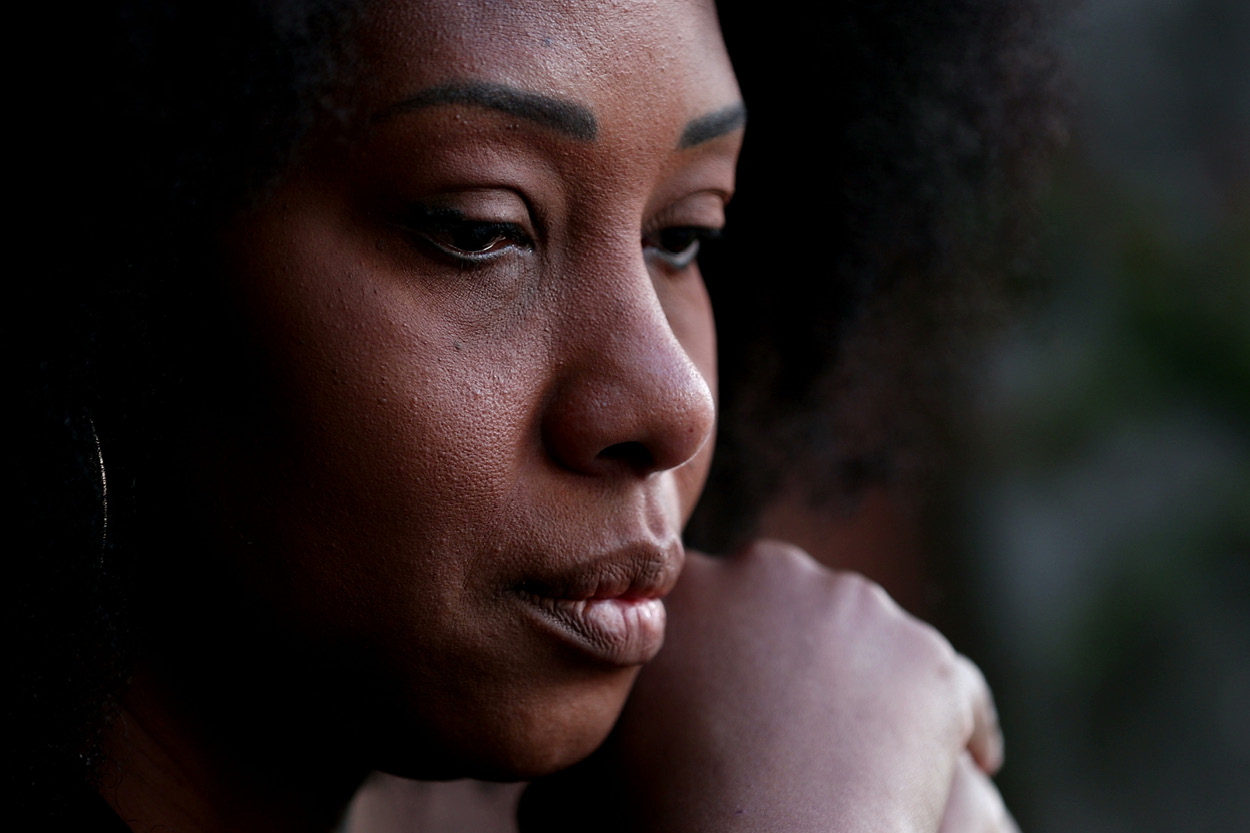
It's Okay to Mourn
We know how hard it can be to mourn someone you love, especially after cancer took them from you. Grief like this doesn't move in straight lines, and it doesn't always look the way people expect. Wherever you are in this, we want you to know it's okay to feel what you're feeling, at your own pace, in your own way.
For many people, that grief starts long before the loss itself. If you sat beside someone through appointments, treatments, and the long uncertain stretches in between, you may have started grieving well before they were actually gone. That grief has a name. It's called anticipatory grief, the mourning that comes with a long illness. It can show up as sadness, dread, even moments of relief followed by guilt for feeling relief at all. None of that means you loved them any less. It means you were carrying something heavy for a long time.
The Quiet That Follows
Right after a loss, there's a strange kind of stillness that sets in when the caregiving suddenly stops. The appointments end. The phone stops ringing with updates. The routines that shaped your days for months, sometimes years, disappear all at once, and what's left is often silence. That silence can feel disorienting. You spent so long being needed in a specific way, and now there's a quiet where that role used to be.
Grief doesn't follow a schedule. If you're still grieving months, or even years later, that's not a sign that something is wrong with you. It's how grief works. It moves in its own time, and everyone’s timeline is different.
Grief after a loss due to cancer can also feel different from other kinds of loss. It's often complicated by the exhaustion of caregiving, watching someone go through treatment prior, and the confusing mix of emotions that can follow, including relief that the suffering has ended, paired with guilt for feeling that relief. All of that is normal. None of it makes you a bad person, a bad partner, or a bad loved one.
If you're looking for ways to move through this, you don't have to do it alone. Support can look different for everyone, and there's no wrong way to find it.
A few options that may help cope with grief:
-
Talking with a therapist or social worker who understands grief and loss
-
Joining a grief support group, whether in person or online, where others understand this specific kind of loss
-
Leaning on community, whether that's family, friends, a faith community, or neighbors who show up in small ways
If you're not sure where to start, we're here for that too. The Brooklyn Cancer Center isn't just a resource for patients. We're here for the people who love them, both during treatment and long after. If you'd like to talk with someone or find support in your grief, contact us today.