
Love and Healing: How Emotional Support Strengthens Cancer Recovery
While advanced treatments and skilled doctors are essential in cancer care, emotional support is just as important for healing. For people facing cancer, having loved ones, caregivers, and caring healthcare professionals around can make a real difference in both recovery and overall well-being.
A cancer diagnosis affects more than just the body; it also brings a lot of emotional stress. Fear, anxiety, and uncertainty are common during treatment. That’s why emotional support is so important. When patients feel truly listened to and cared for, their stress goes down, and their mental health improves. People with strong support systems often manage pain better, stick to their treatments, and even have stronger immune systems. How we feel emotionally can significantly impact our physical recovery.
Support can look different for everyone going through cancer. Family and friends help in everyday ways, like making meals, going to appointments, or just being there during tough times. Support groups bring together people who understand what it’s like, giving a safe place to share worries and find hope together. Professional counselors and therapists also help by guiding patients through the tough emotions that come up, and by helping them find ways to cope that fit their needs.
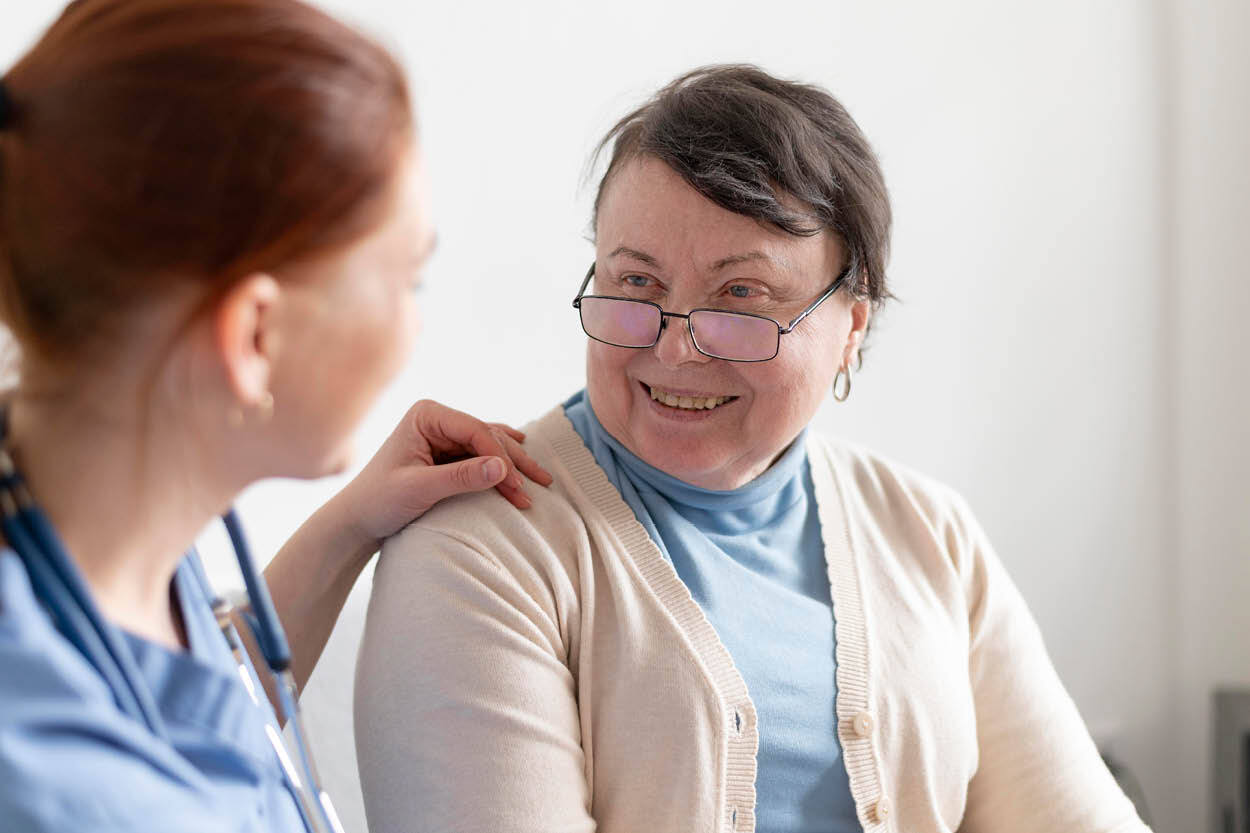
Our team is always there to support you. Our oncology nurses, in particular, spend significant time with patients and often become trusted confidants. They answer questions, provide reassurance, and help patients feel less alone in their fight. Our physicians take time to listen, explain treatment options clearly, and acknowledge the emotional weight of a diagnosis. Social workers connect patients with resources and help navigate the practical challenges that can add stress to an already overwhelming time.
Emotional support also matters for caregivers. When family members feel supported, they can care for their loved ones without getting overwhelmed. Support groups for caregivers, breaks from caregiving, and open talks with the medical team all help create a healthier environment for everyone.
Building a strong support network doesn't happen by accident. Patients should feel empowered to communicate their needs openly, whether that means asking for help with daily tasks, requesting time alone, or seeking professional counseling. Sometimes the most meaningful support comes from acknowledging the difficulty of the situation and simply being present through it.