
Rebuilding Strength After Treatment Ends
The last day of treatment is often pictured as a finish line. You celebrate, hug the nurses, and walk out ready to pick up where you left off. For many of our patients, the weeks that follow feel less put together. Treatment worked, yet your body may feel unfamiliar. Stairs you used to take without thinking leave you winded. A trip to the grocery store can wipe out the rest of the afternoon. The fatigue and weakness built up over months of treatment don't lift the moment it ends. Many of our patients go through this stage. Recovery after treatment is its own chapter, and it deserves the same care and attention as treatment itself.
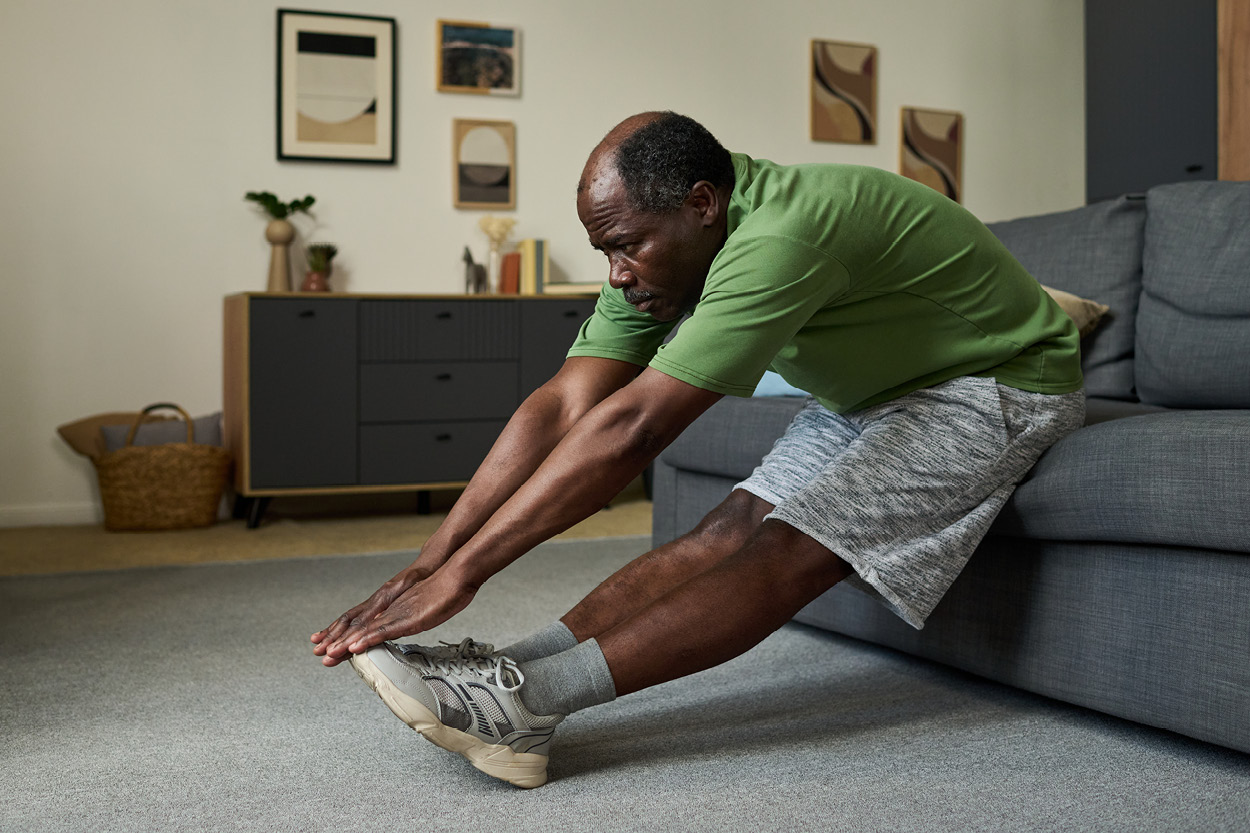
The first step is often smaller than you'd expect. Rebuilding strength doesn't have to start with a gym membership or a structured workout plan, in fact, it usually works better when it doesn't. Light movement is the best place to start. A ten minute walk around the block, a slow loop through Prospect Park, or a few minutes of stretching in the morning all count. The goal in these early weeks is to remind your body that movement can be good, and not to push it to its limit. If walking or standing for long stretches isn't possible for you right now, seated stretches, slow arm circles, or a few deep breaths by an open window are all meaningful ways to begin. There's no single right starting point, only the one that fits where you are today.
As you recover, keep in mind that strength doesn't come back all at once. Some days you'll feel better than you have in a long time. Other days, you might wake up tired for no clear reason and worry that you're not making progress. On tough days, try to look at your progress over weeks instead of days, and remember how far you've come in a month. Rest is part of getting stronger, and taking a day off from walking is your body's way of asking for what it needs.
No matter what pace works for you, having support makes a difference. Before you try anything new, check in with your care team. They know your treatment history and can help you decide what's safe and realistic for you right now. It also helps to follow up with your primary care doctor, who can look at your overall health and may suggest working with a physical therapist. Many physical therapists have experience helping people recover from cancer treatment and can help with balance, stamina, and side effects like stiff joints or numbness in your hands and feet.
Food plays a role as well, though it doesn't need to become a strict plan or another thing to worry about. Steady, balanced meals give your body the fuel it needs to heal and move. Eating regularly throughout the day as well as staying hydrated can keep your energy from dipping too low. If your appetite or sense of taste has changed since treatment, eat what sounds good and what you can keep up with.
As you get stronger, it helps to think about what you're working toward. Many patients say they're waiting to feel "back to normal." That's a natural hope, and for some people, recovery does lead there. For others, the goal changes over time. Instead of going back to exactly who they were before diagnosis, they find a new normal shaped by what they've been through and what their body can do now. Letting go of old expectations can help you see how much progress you've made.
Physical strength is only one part of recovery. After months of appointments and side effects, you may feel unsure about your body and wonder if you can handle a long walk, a busy day, or a trip out of town. Confidence usually returns slowly, the same way strength does. Every errand that goes well or walk along the Brooklyn Waterfront Greenway is a step towards trusting your body a little more. If you're feeling worried, know that our team is here to help.
No matter where your recovery leads, finishing treatment is a big milestone, and so is every step you take after that. At the Brooklyn Cancer Center, our support continues even after treatment ends. If you have questions, we're here for you.