
The Effects Radon has on Your Body
Have you ever thought about the air quality inside your home? While outdoor pollution gets plenty of attention, there’s a colorless, odorless gas that might be present in your home right now. It’s called radon, and understanding it can help you protect your lung health.
Radon is a naturally occurring radioactive gas that forms when uranium in soil, rock, and water breaks down. It rises through the ground and can enter buildings through cracks in foundations, gaps around pipes, and other openings. Once inside, radon can accumulate to concerning levels, particularly in basements and lower floors where ventilation may be limited.
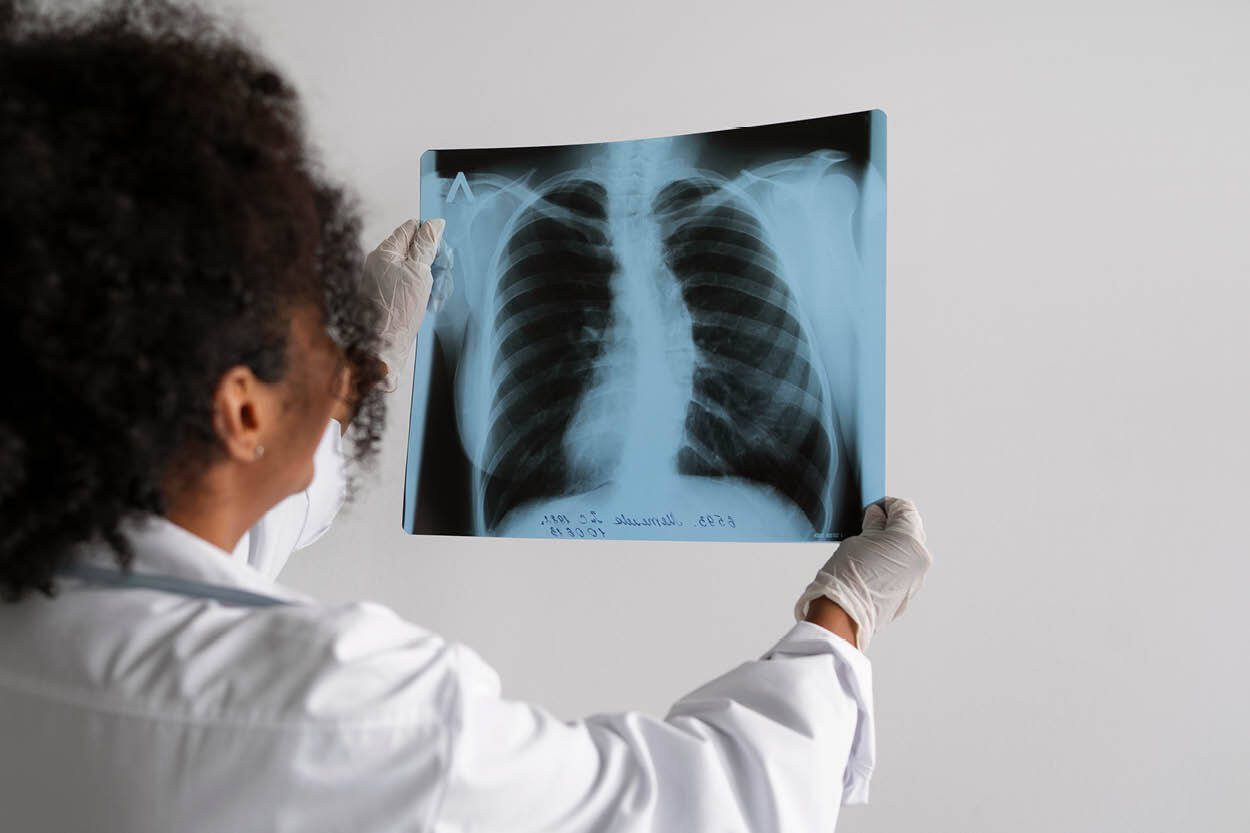
The main health concern with radon is lung cancer. When you inhale radon, radioactive particles become trapped in your lungs. Over time, these particles release energy that damages lung tissue and can lead to cancer. For non-smokers, radon is the leading cause of lung cancer deaths.
What makes radon particularly challenging is its silence. Unlike carbon monoxide, which can cause headaches and dizziness, radon provides little to no warning. You won't feel sick, you won't notice any changes. This is why testing matters so much. By the time lung cancer symptoms appear, such as persistent cough, chest pain, shortness of breath, or coughing up blood, early detection becomes more complex.
Your risk from radon exposure depends on several factors. Higher concentrations in your home can pose a greater risk. The length of time you've been exposed matters too, since radon damage can accumulate over years. If you smoke, your risk increases significantly, as the combination of radon exposure and smoking has a compounding effect. However, understanding these risk factors empowers you to take action and protect your health.
Radon-related lung cancer is largely preventable. Testing your home is simple and inexpensive. Radon test kits are available at hardware stores, or you can hire a professional to conduct testing. If elevated radon levels are detected, mitigation systems can reduce radon concentration by up to 99%. These systems typically involve installing ventilation that draws radon from beneath your home and releases it safely outside, preventing it from accumulating indoors.
Most people are unaware of radon's presence in their homes until they test for it. By taking the simple step of testing your home and addressing any issues found, you can protect yourself and your family from this preventable cause of lung cancer. If you've been exposed to radon for an extended period, especially if you're a current or former smoker, talk to your doctor about lung cancer screening options. Early detection saves lives, and screening technology continues to improve.
If you are worried about radon exposure or lung health, or if you'd like to discuss lung cancer screening, contact The Brooklyn Cancer Center to schedule an appointment. Our team is here to help you understand your risk factors and take proactive steps to protect your health.